


Tendonitis

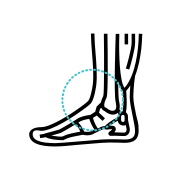
Tendonitis, caused by repetitive motion or injury, can lead to significant discomfort and stiffness in the affected area, often limiting everyday activities. Stem cell therapy for tendonitis in Tijuana offers a promising alternative to traditional treatments such as steroids, physical therapy, or surgery. This advanced treatment utilizes stem cells to stimulate natural healing within the tendons. The stem cells are injected directly into the damaged area, promoting tissue regeneration and reducing inflammation. This process helps to repair the tendons at the cellular level, restoring their strength, flexibility, and overall function.

Stem cell therapy targets pain relief and addresses the underlying cause of tendonitis, enhancing long-term recovery. The procedure is minimally invasive, with most patients experiencing shorter recovery times compared to surgery. At TreVita, our expert medical team customizes each treatment plan to ensure the best possible outcomes. Stem cell therapy for tendonitis offers an innovative and effective approach for those seeking to improve joint health, regain mobility, and return to an active lifestyle, all within the modern medical facilities of Tijuana, Mexico.

Request a Free Quote

Benefits of Stem Cell Therapy for Tendonitis

Accelerated Tissue Regeneration – Promotes faster healing of tendon tissue by stimulating cellular regeneration and repair.

Effective Inflammation Control – Reduces inflammation, alleviating pain and swelling associated with tendonitis.

Minimally Invasive Solution – Non-invasive procedure with minimal recovery time compared to traditional surgery.

Enhanced Tendon Functionality – Improves tendon strength, flexibility, and overall function, aiding in better mobility.

Long-Term Joint Health Restoration – Helps restore long-term joint health by addressing the root cause of tendon damage.

Reduced Dependency on Medications – Reduces reliance on pain medications or steroids, providing a more natural recovery approach.

Boosts Collagen Synthesis – Enhances collagen production, essential for healthy tendon and ligament repair.

Precision-Driven Treatment – Allows for more targeted treatment, focusing directly on the damaged area for faster recovery.

Sustainable Relief for Chronic Cases – Offers a safe alternative for patients with chronic tendonitis, reducing the need for repeated treatments or surgeries.

The Most Advance Treatments Available

Stem cell therapy has helped many by promoting healing, reducing inflammation, and regenerating tissue. Patients with autoimmune diseases, injuries, and neurodevelopmental disorders report improved mobility, less pain, and better cognitive function. While research continues, it offers hope for innovative treatments.

Other Chronic & Orthopedic Pain Relief Therapies

Hear What Our Clients have to say!

Averaging 5 Stars across multiple platforms — TOP RATED

The Process

Day 1: US ➜ Mexico

Day 2: Travel back home

Tendonitis FAQ's

You have questions, we have answers.

While stem cell therapy can significantly reduce symptoms and promote healing, the long-term effectiveness can vary depending on the severity of the tendonitis and the patient’s response to treatment. Many patients experience long-lasting relief, but maintenance therapies may be recommended for optimal results.

The number of treatments required depends on the extent of the tendon damage and the individual’s response to therapy. Some patients experience significant improvement after one treatment, while others may benefit from additional sessions to achieve maximum healing.

Stem cell therapy is generally considered safe, especially by experienced professionals. However, risks may include mild swelling, redness, or temporary discomfort at the injection site. Rarely, there may be a risk of infection or an allergic reaction, which should be discussed with your healthcare provider before treatment.

Patients often begin to see improvements in pain and mobility within a few weeks following treatment, although full recovery can take several months. Stem cell therapy works gradually by promoting tissue regeneration, and the timeline can vary based on the severity of the tendonitis and the individual’s healing response.